
How One Leadership Team Regained Clarity After Multiple Re-orgs
How a two-and-a-half-day retreat turned role confusion into experienced clarity
After mergers, reorganisations, or periods of downsizing, roles often change faster than understanding does.
Accountability increases. Decision-making shifts. Expectations rise, often without being fully named. On paper, everything looks clear.
In reality, many leaders are left asking:
-
What does this new role actually expect of me?
-
Where does my authority begin and end?
-
When should I decide and when should I escalate?
-
What happens if we don’t get this right?
This case study documents how one global operations leadership team tackled those questions together.
The Leadership Challenge
Following a sequence of mergers and multiple rounds of reorganisation, TGS brought together operations leaders from different company backgrounds, geographies, and technical disciplines.
New roles had been created. Responsibilities had shifted. Decision-making authority had moved closer to the work. What hadn’t yet landed was a shared understanding of what those changes meant in practice.
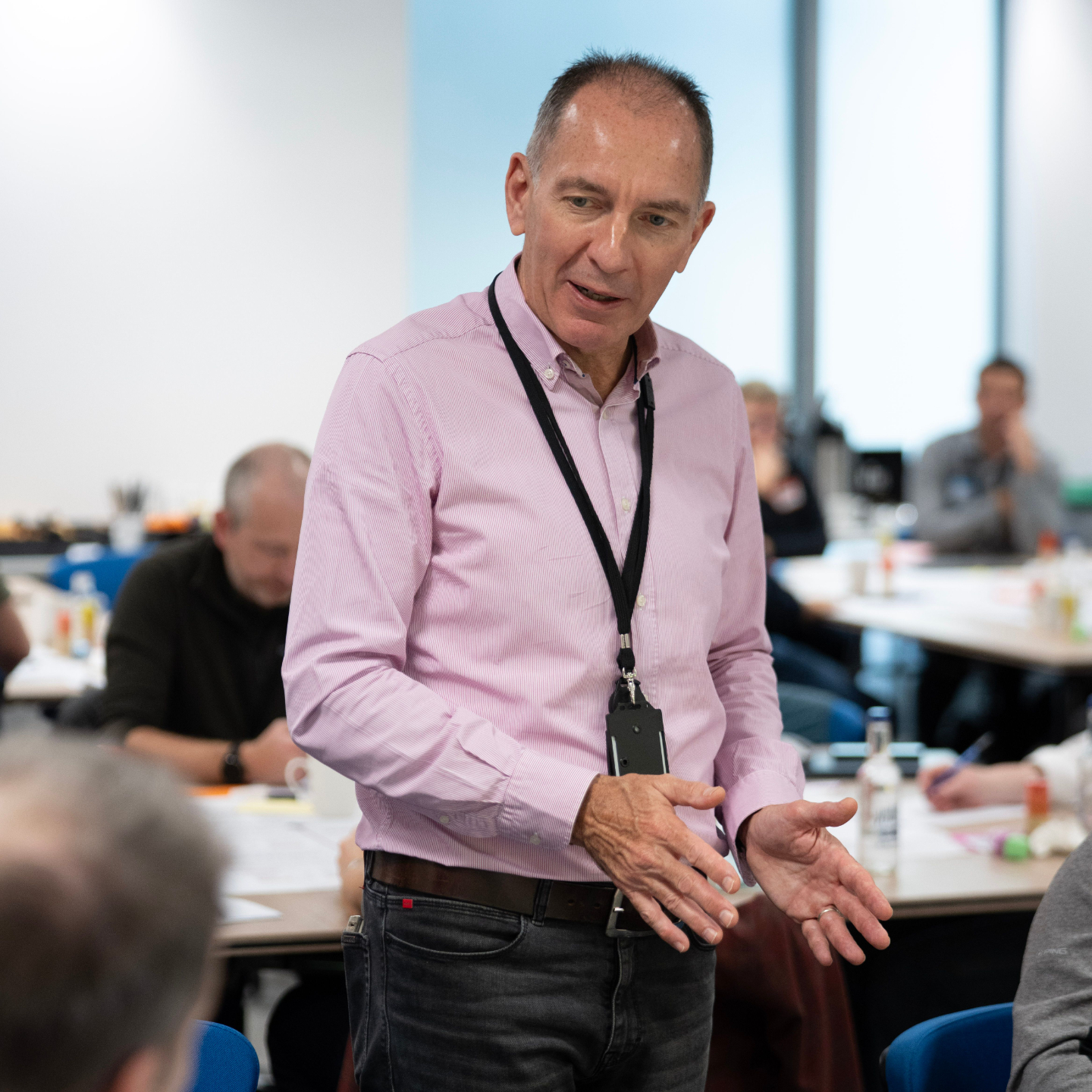
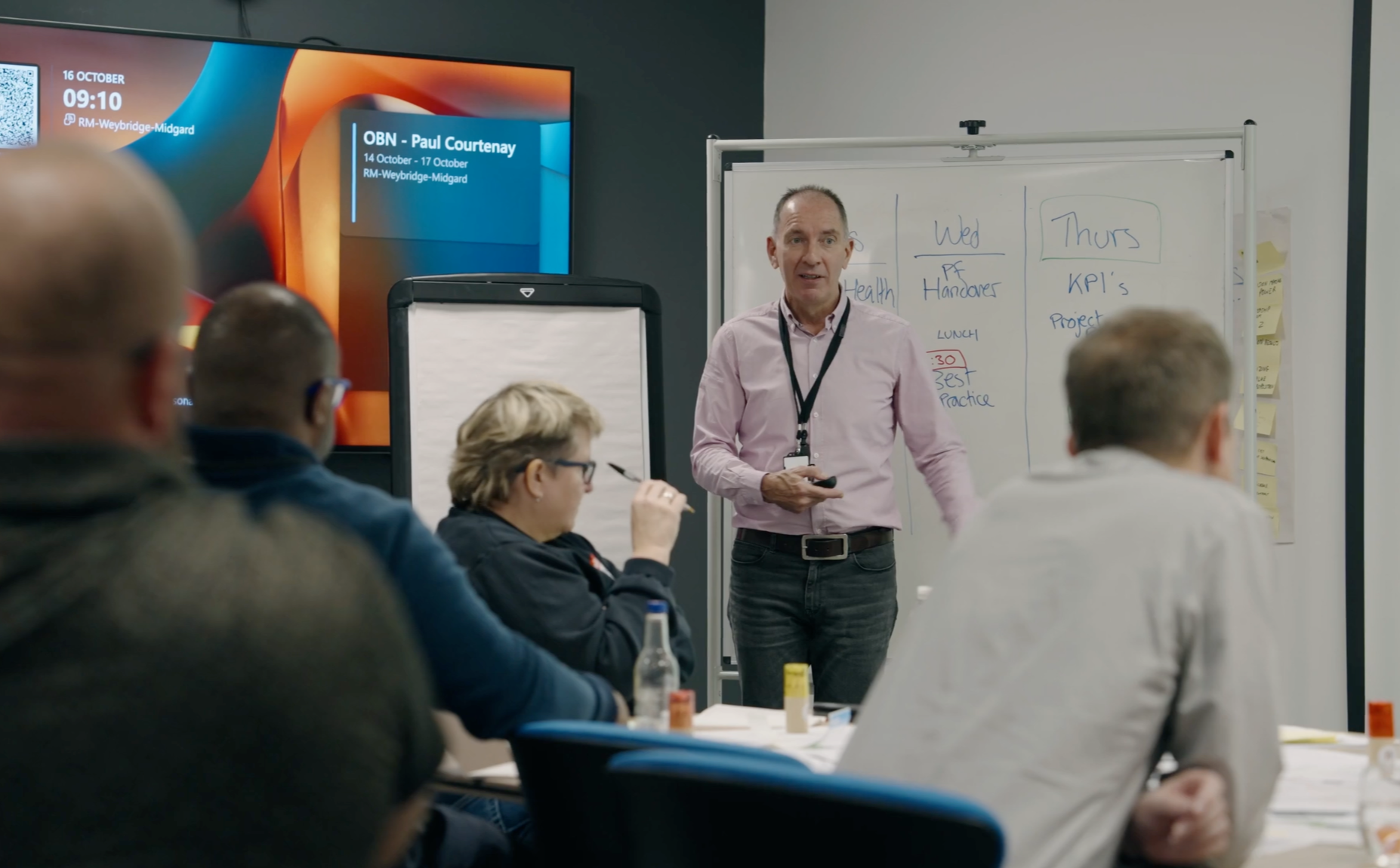
People were capable. They were motivated. But clarity, confidence, and consistency were uneven. As Paul Courtenay, VP Operations Business Management, later reflected: “Where there isn’t a clear need or requirement to change, people will continue to do what they’ve always done. It’s human nature.”
This wasn’t a capability gap or a performance issue. It was a legitimacy problem.
Leaders had been elevated into new roles but hadn’t yet fully felt the authority, accountability, and expectations that came with them.
Without shared clarity:
-
decisions move upwards again
-
micromanagement creeps back in
-
confidence erodes
-
risk quietly increases
In a safety-critical, high-stakes operational environment, that’s not something you can leave unresolved.
Choosing to Pause
Rather than adding more documentation or running another PowerPoint heavy meeting, TGS chose to pause.
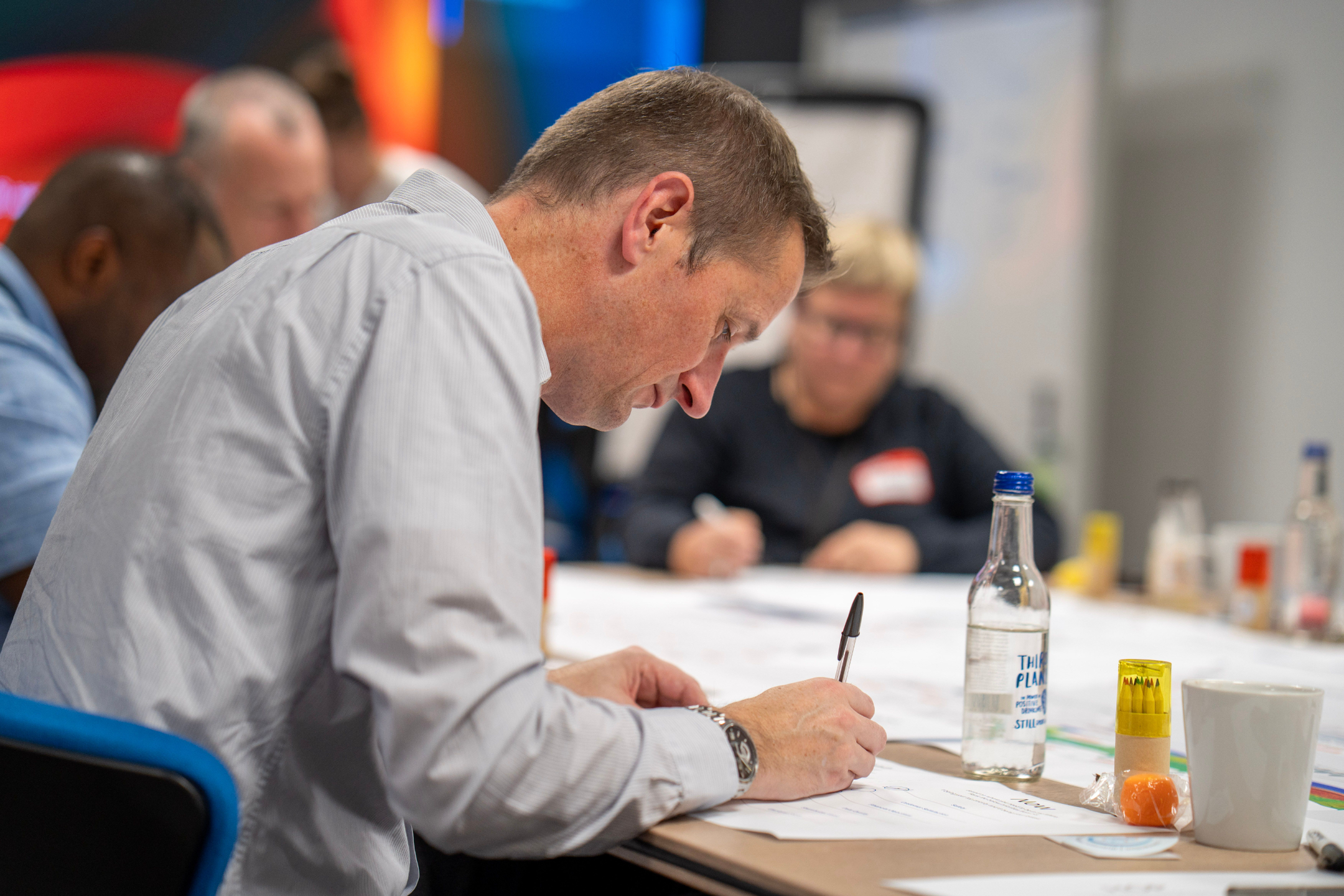
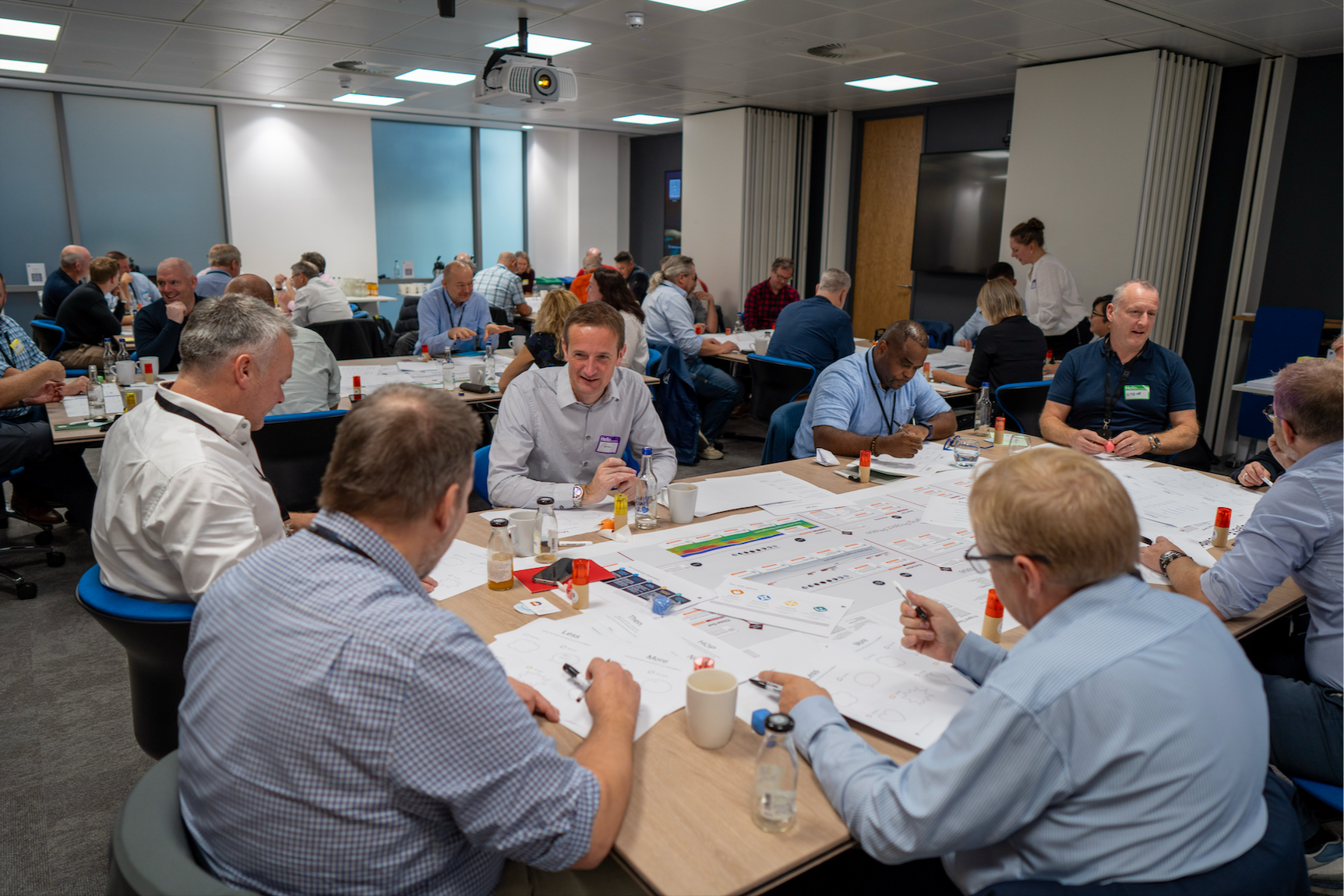
Nearly 40 operations leaders from across the world were brought together in person for a two-and-a-half-day retreat.
The goal wasn’t alignment theatre. It was to create the conditions for leaders to:
-
step into their new roles with confidence
-
understand decision boundaries clearly
-
build trust across teams and geographies
-
and practice the future way of working together
How the Work Unfolded
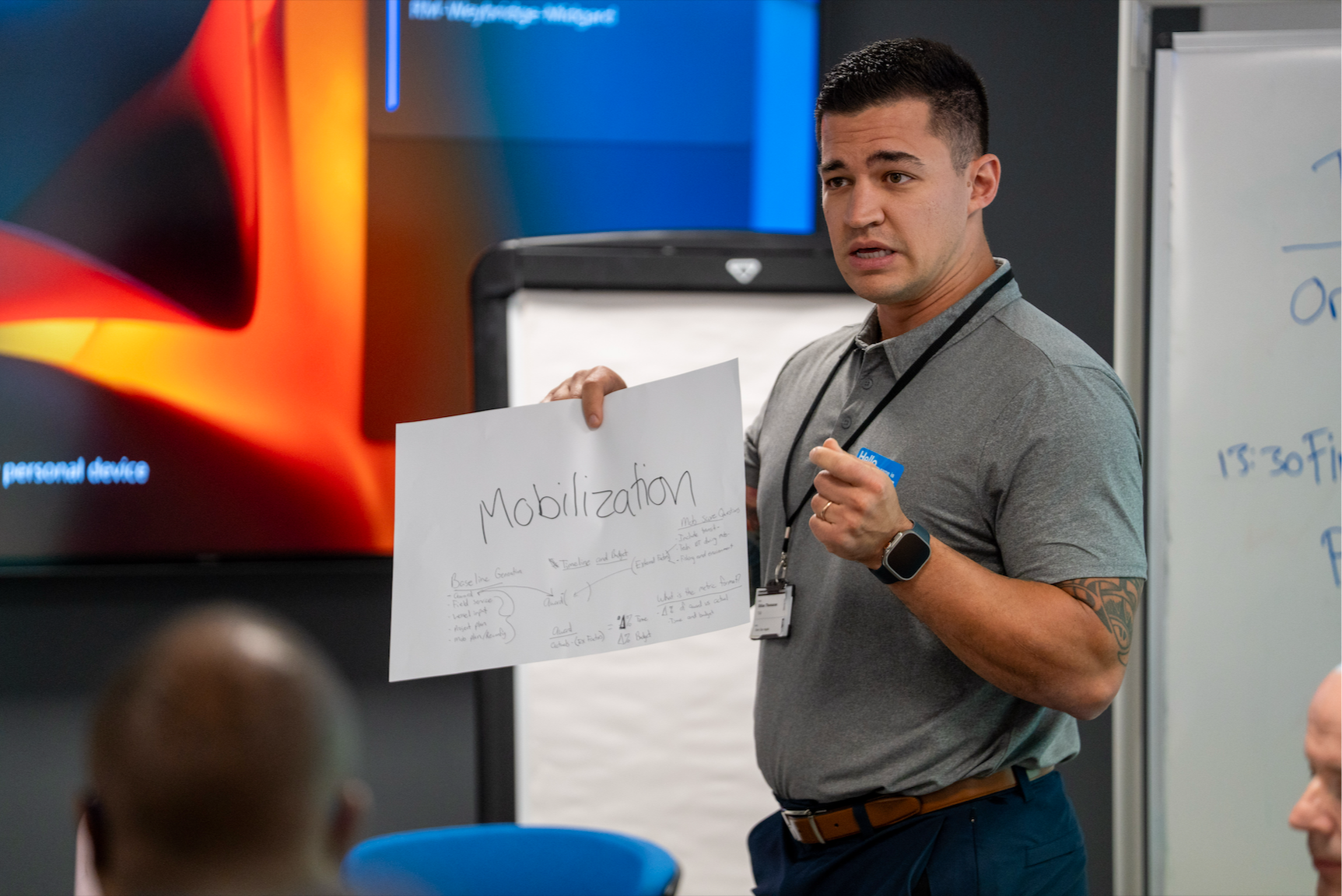
Across the retreat, the team moved deliberately between:
-
individual reflection
-
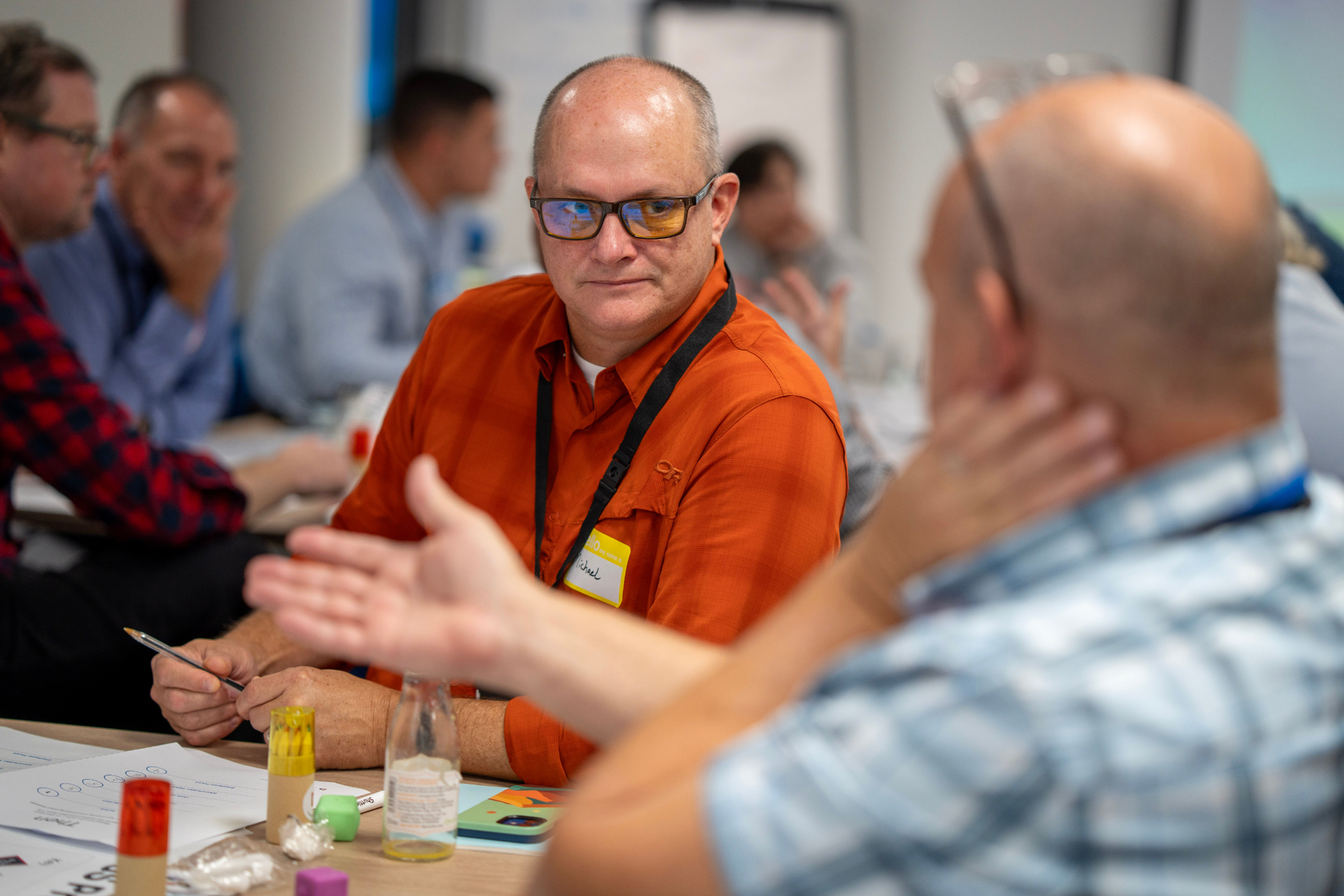
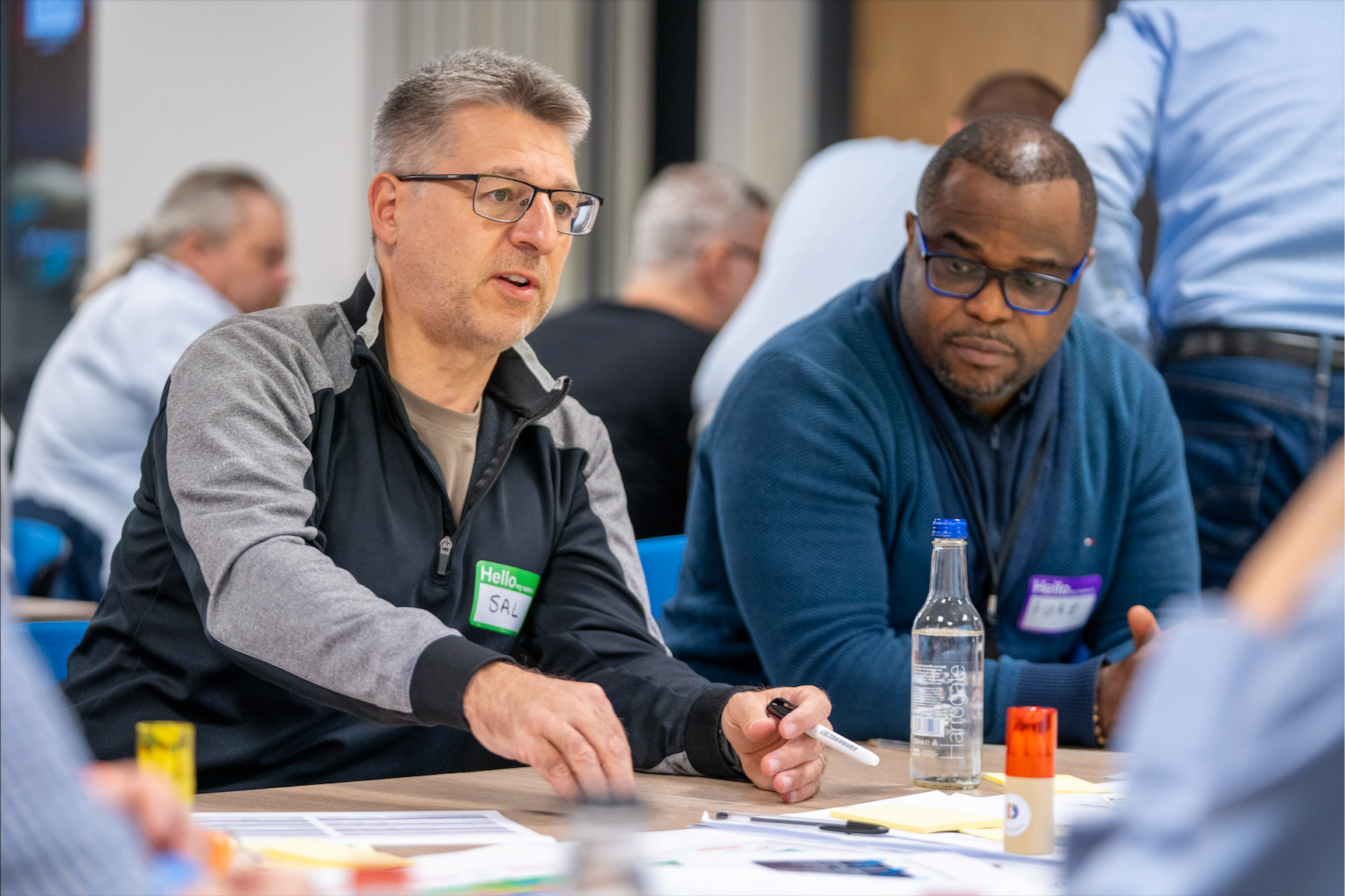
small-group sense-making
-
whole-group discussion
-
and practical, shared outputs
They worked on:
-
role clarity and accountability
-
decision-making and escalation
-
reporting expectations
-
handling mistakes and uncertainty
-
trust, candour, and collaboration
Importantly, nothing stayed abstract for long. Leaders didn’t just talk about how things should work. They actively found solutions to challenges and practised how work would happen going forward. As Paul later put it: “There’s nothing worse than being in a conference where you just sit there absorbing stuff. We did something there. We moved the needle.”
Why the Format Mattered
The retreat was designed to be participatory rather than performative. Structured, but adaptive. Challenging, but psychologically safe. When conversations mattered, they weren’t rushed or shut down to “stay on plan”. That flexibility wasn’t a risk. It was the point. “It was agile,” Paul reflected. “It delivered.”
What Changed
By the end of the retreat, the right things had shifted. “This week we achieved what we needed to,” Paul said. “We grounded this new role on solid foundations and built a good-enough understanding of the new way of working”
As a result:
-
decision-making moved closer to where the work happens
-
leaders gained confidence in their authority and accountability
-
reporting expectations became clearer and more consistent
-
practical tools and workflows were agreed and owned
-
trust increased across teams and locations
One of the most significant changes was relational: “One of the most intangible benefits was the trust between the different geographical groups.”
That trust didn’t come from team-building exercises. It came from doing real work together, openly.
Why this Matters Beyond this Team
This wasn’t just about operations or structure. It was about how leaders step into responsibility after change. As Paul noted: “This approach helps people experience and vocalise what’s actually stopping them, and turn ideas into actions.”
In environments where:
-
safety matters
-
decisions carry real consequences
-
and change is constant
Culture isn’t a soft concern. It’s infrastructure.
A Final Reflection
You can’t create this kind of shift in a Teams meeting.
It happens:
-
in the room
-
in the breaks
-
over meals
-
when people realise they’re not alone in what they’re carrying
And it only works when there is:
-
clear intent
-
thoughtful structure
-
and the ability to adapt in service of what the group actually needs
Testimonials
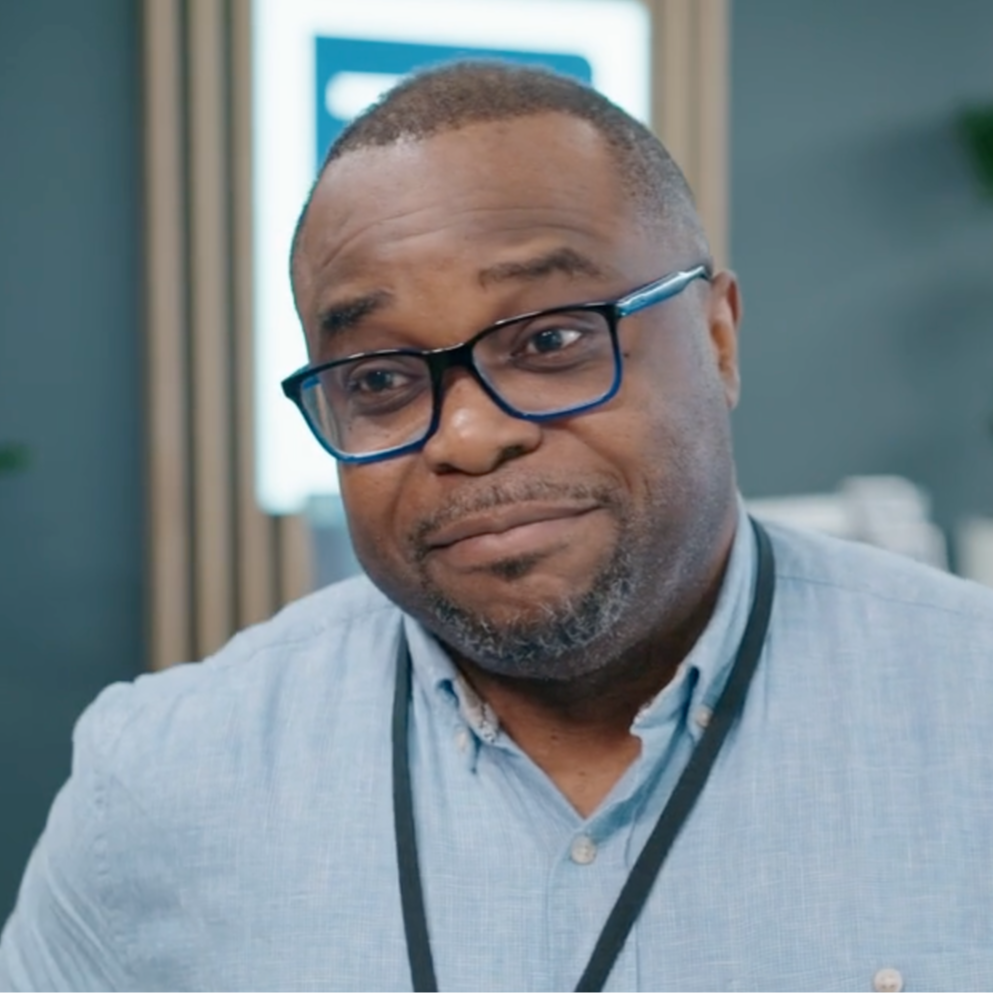
“It felt like a good time to come together and have a retreat, talk about where we are, where we’ve been, and what we’ve got to be.”
Fure Operations Business Manager
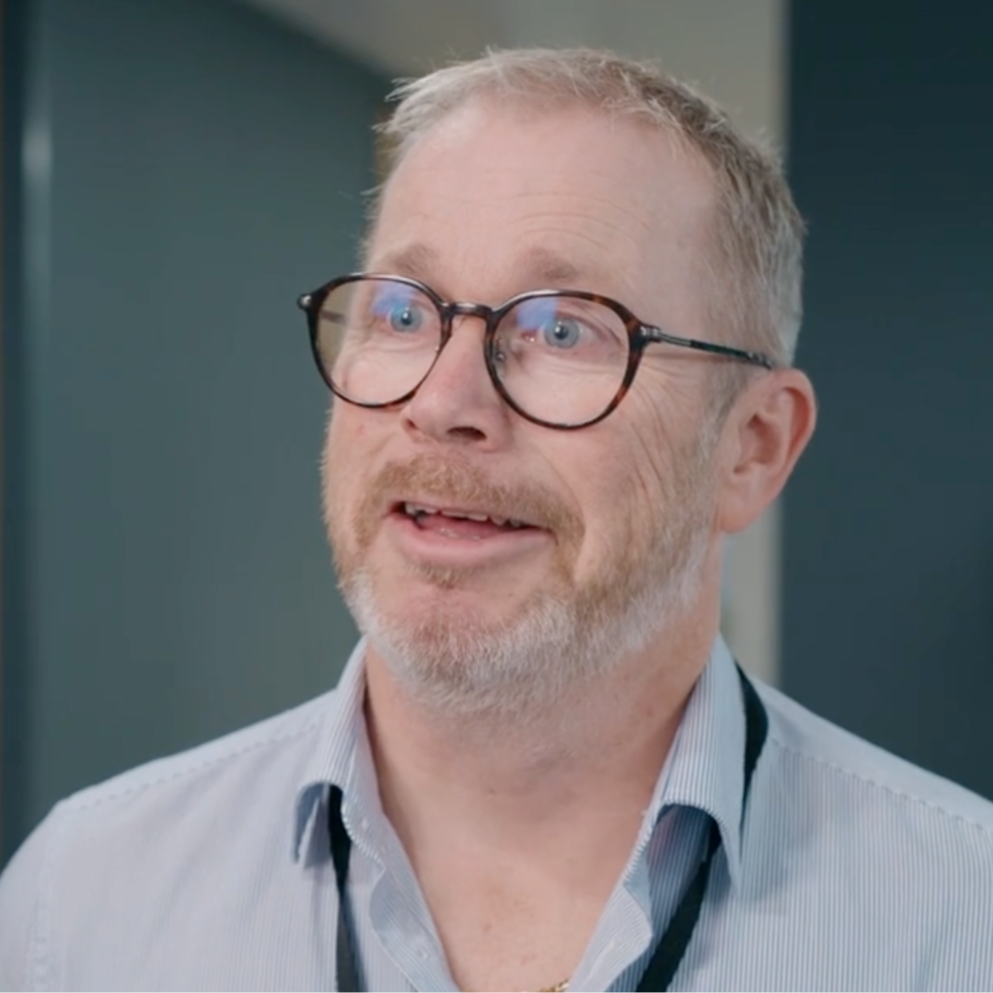
“If people don’t engage, then it’s a waste of time. I knew it was going to be engaging. People actually understand what we’re on about rather than having a presentation showing you do this, then you do that.”
Halvor Operations Business Manager
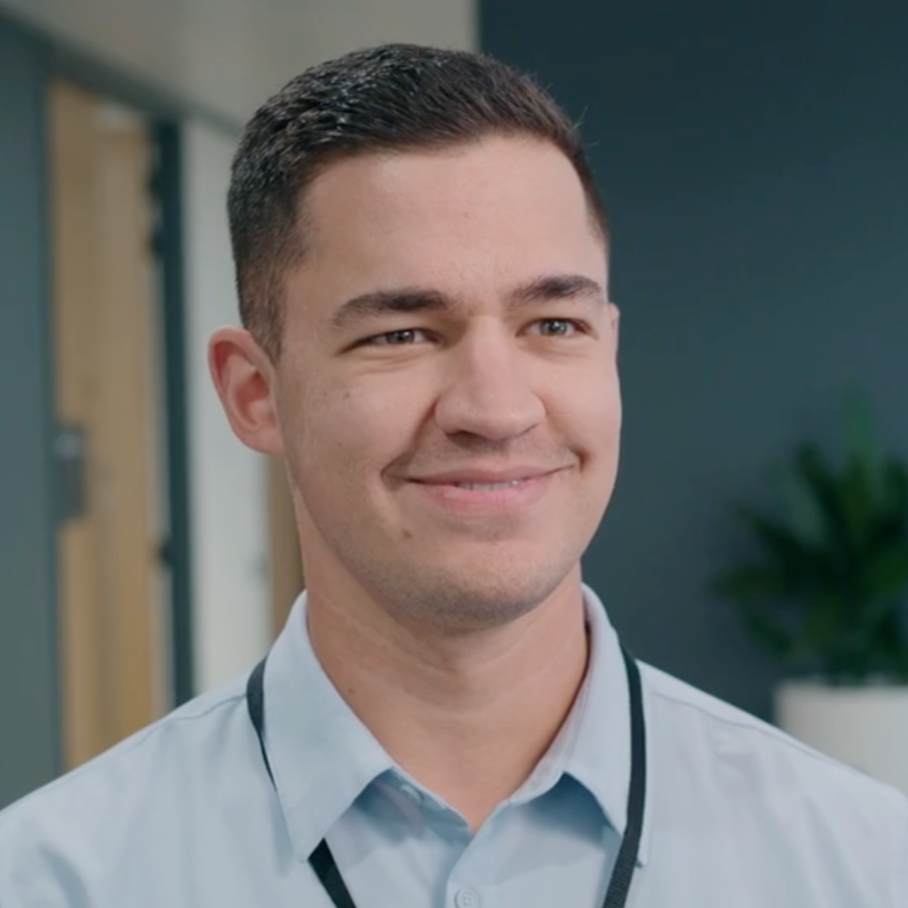
“The approach was very open. It felt very organic. In the absence of these programs or retreats, we wouldn’t have known each other quite so well or quite so quickly as we do now.”
Dylan Operations Business Manager
If this feels familar
If you’re dealing with similar questions around accountability, clarity, or leadership after change, you’re welcome to book a conversation with me.
This is not a sales call.
It’s a space to think things through together.
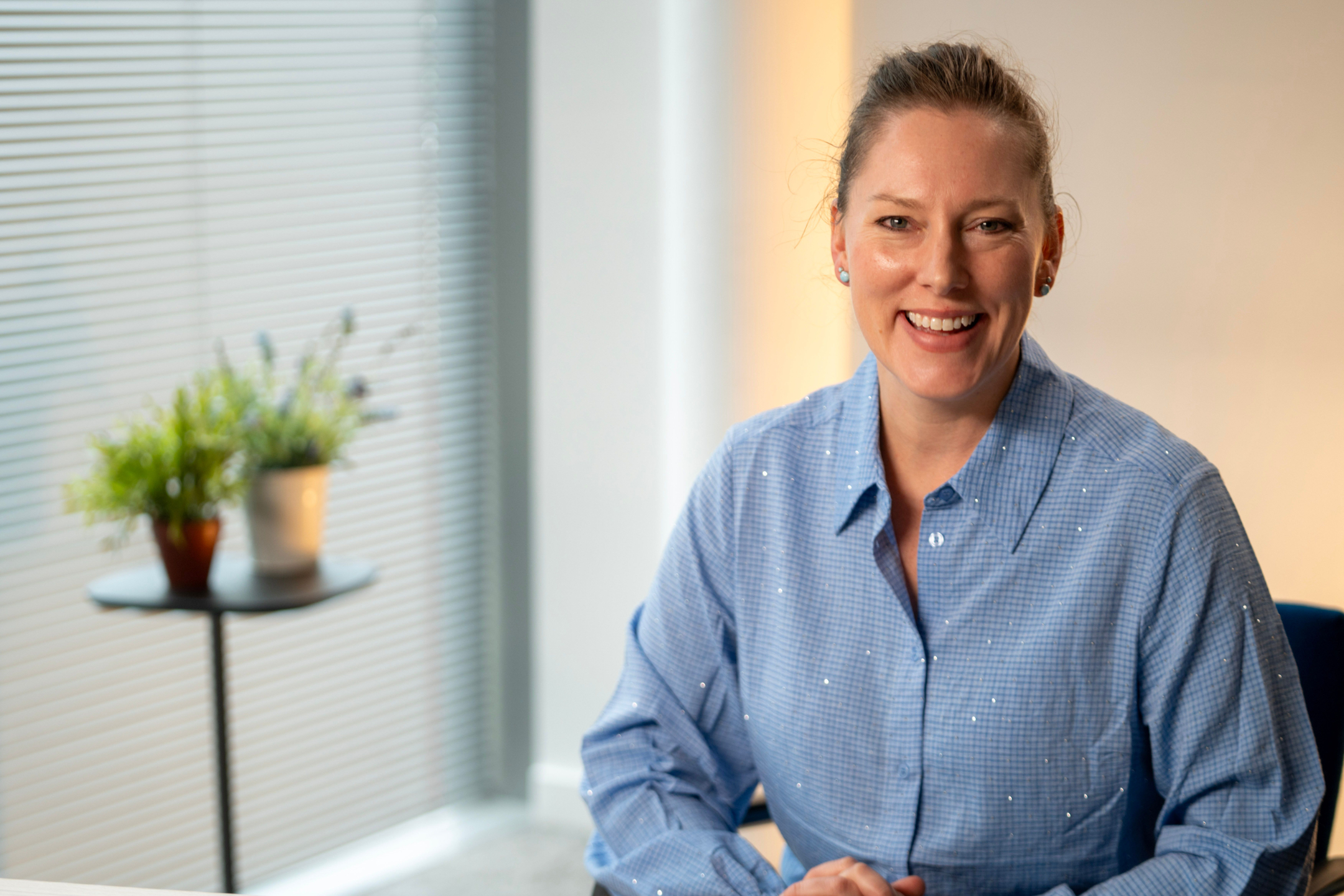
Kat Mather
Leadership Partner
Hi, I’m Kat, founder of Design Linking. I partner with leaders navigating change and ambiguity, helping their teams build clarity, trust, and accountable ways of working that deliver real results through human-centred design and participatory experiences.