
Creating Shared Clarity for Change:
Sense-Making Sprint
By aligning stakeholders early and building shared clarity, this organisation transitioned to a new tool smoothly and confidently. Decisions were understood, ownership was shared, and teams moved forward together without surprises, delays, or loss of momentum.
Read this case study if you are navigating a change that feels bigger than it first appeared. Whether you’re switching tools, introducing new technology, rethinking ways of working, or aligning teams across functions. Read about how bringing the right people together early can create shared clarity, confidence, and momentum.
When a Simple Tool Change Reveals a Bigger System
Switching out one tool can sound relatively straightforward. In reality, it rarely is. A tool is never just a tool. It shapes how people work, how they collaborate, and what they believe is possible. Changing it raises important questions: what is this tool really for, how do we use it today, what do we want to change about the way we work, and what future are we trying to create?
In a digital environment where everything is connected, a single tool often touches far more people than expected. Stakeholders span teams, functions, systems, and decision-making layers. This case study explores exactly that scenario: a necessary tool change that revealed a complex ecosystem of interests, dependencies, and opportunities for alignment.
Uncovering the Hidden Complexity Behind Change
The organisation recognised the need to move away from an existing tool, but quickly realised that the change was not just technical. It affected workflows, responsibilities, data flows, and future ways of working. The range of stakeholders was broader than anticipated, and many interdependencies were not yet visible.
Rather than progressing in isolation, the organisation chose to pause and create space for shared understanding. I was brought in early to support this phase, with a focus on sense-making before solution-building.
Seeing the Whole Picture Through Shared Sense-Making
The first step was simple and powerful: talk to people. Through one-to-one conversations across the organisation, we explored what each person’s stake was, what mattered to them, and what they were already working on. This process uncovered additional stakeholders and perspectives that had not initially been visible.
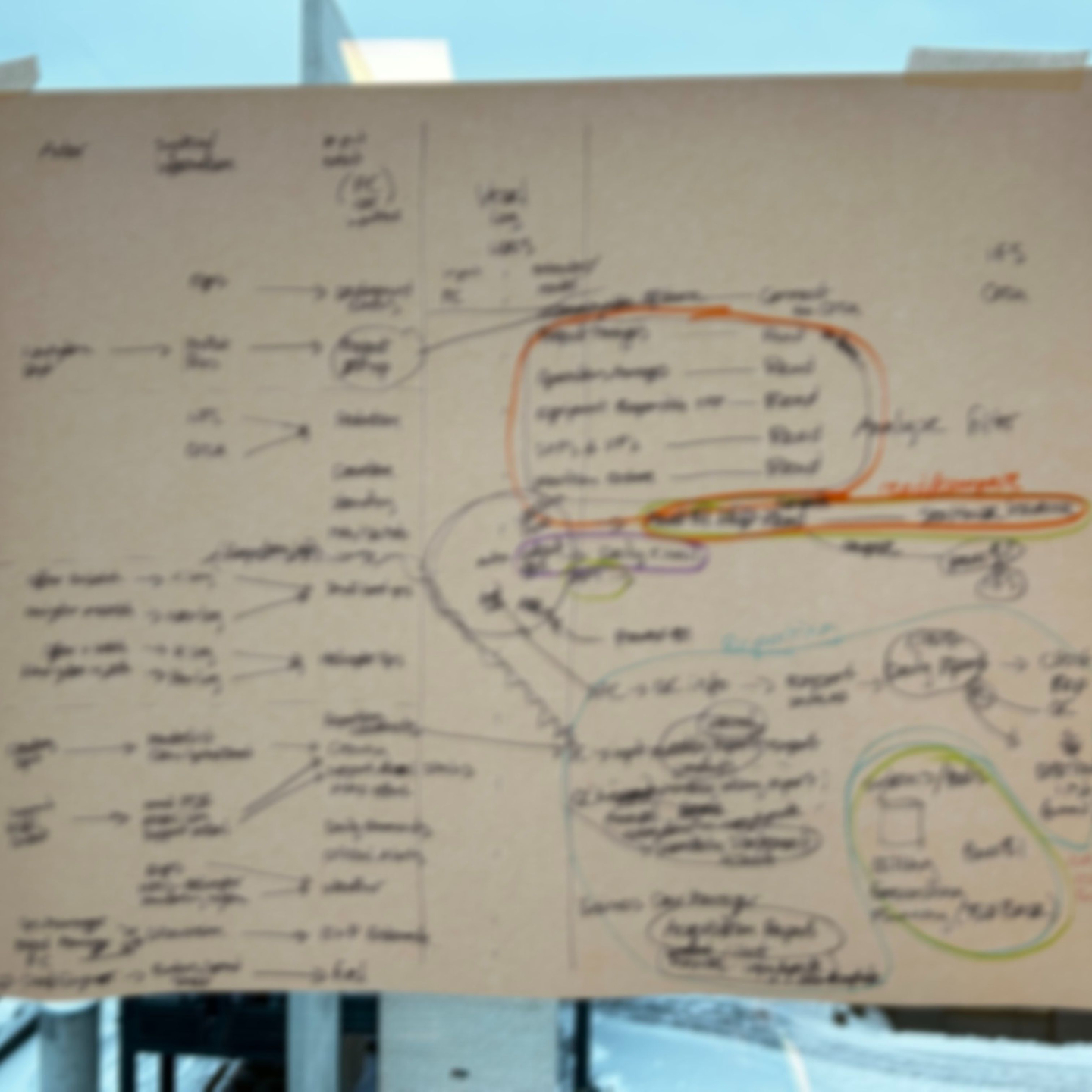
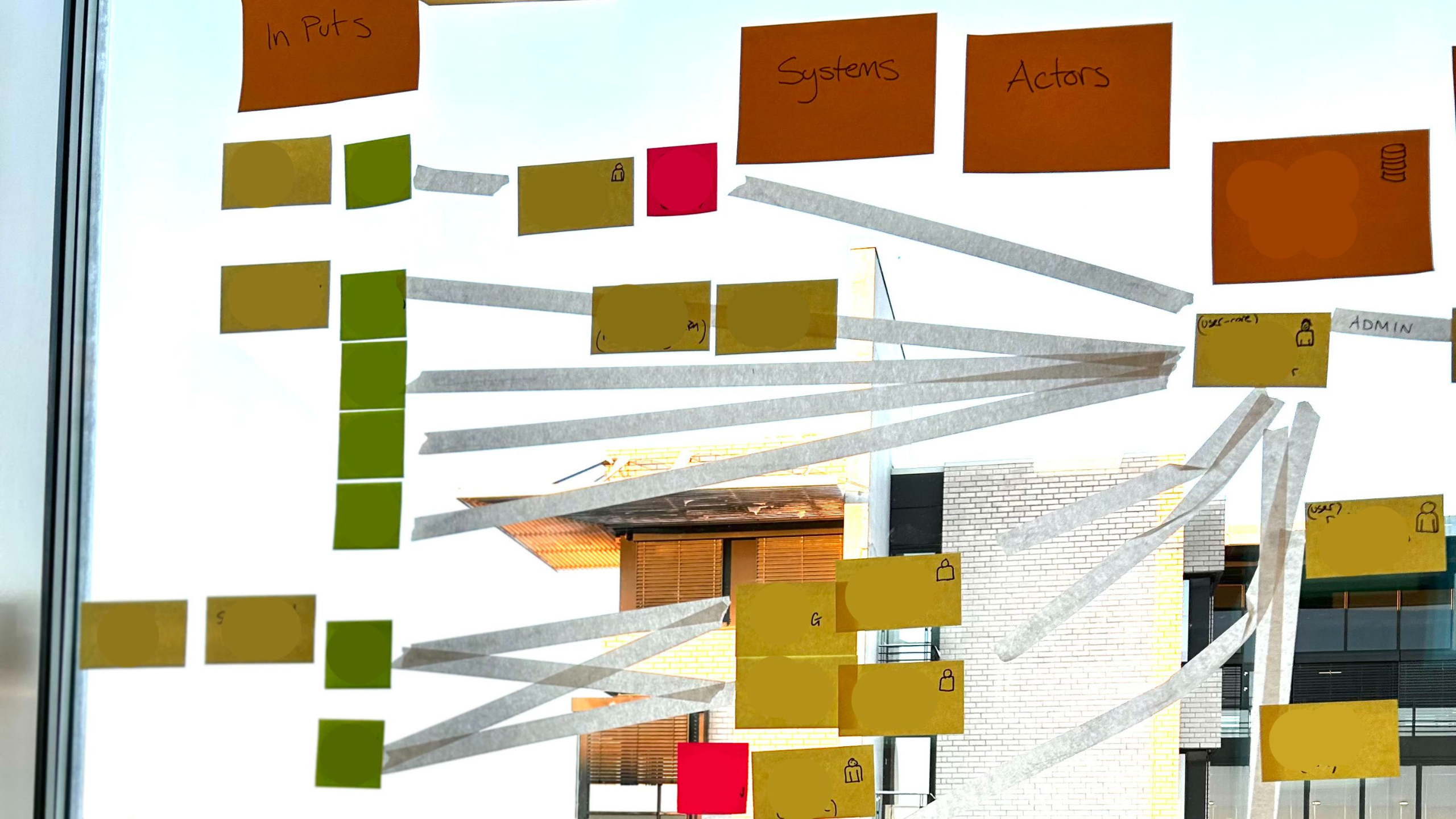
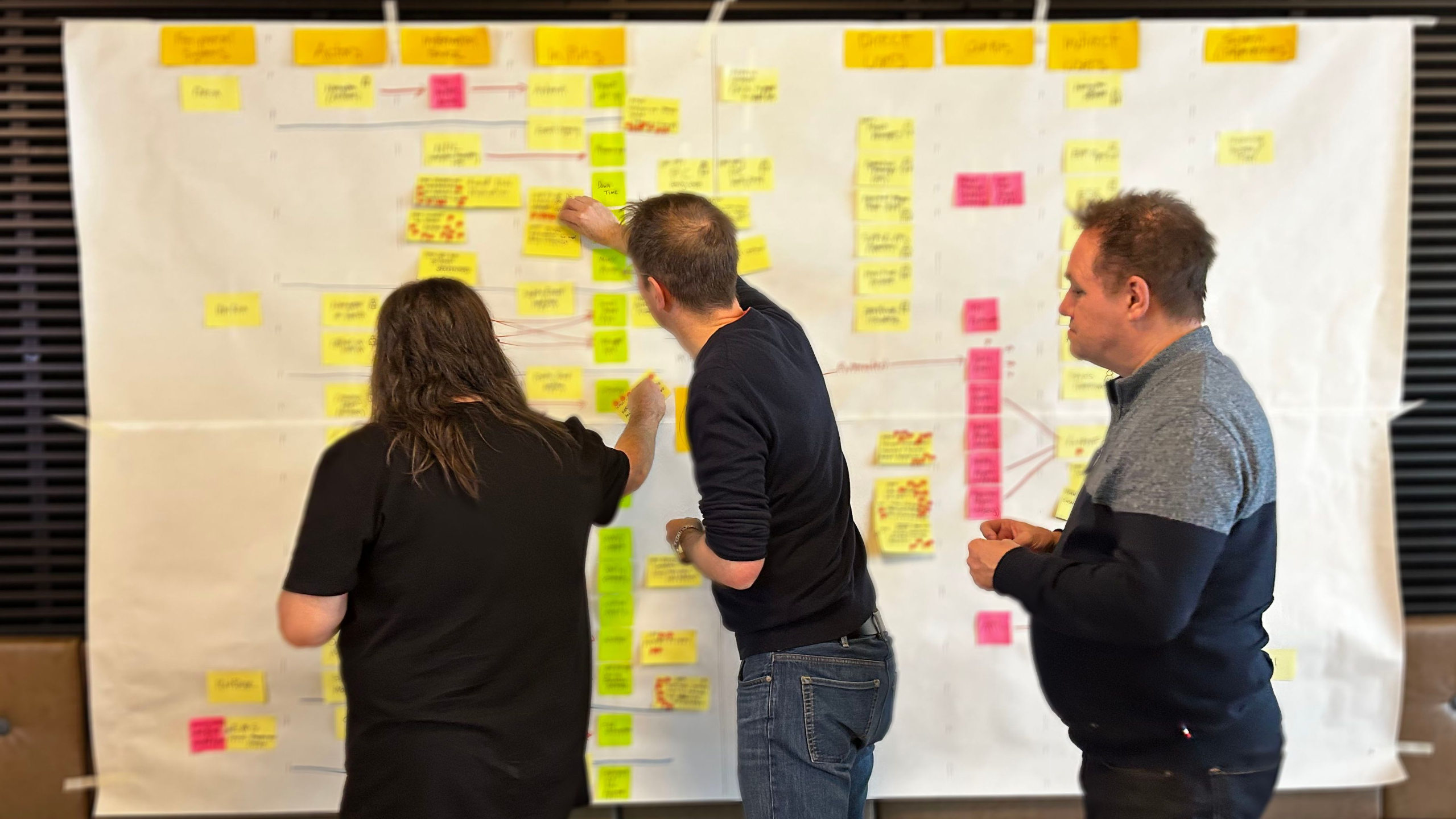
From this, we were able to map the wider ecosystem in which the tool sat. We created a large visual representation of how systems, teams, and needs were connected. Seeing the whole picture made the complexity tangible and shared.
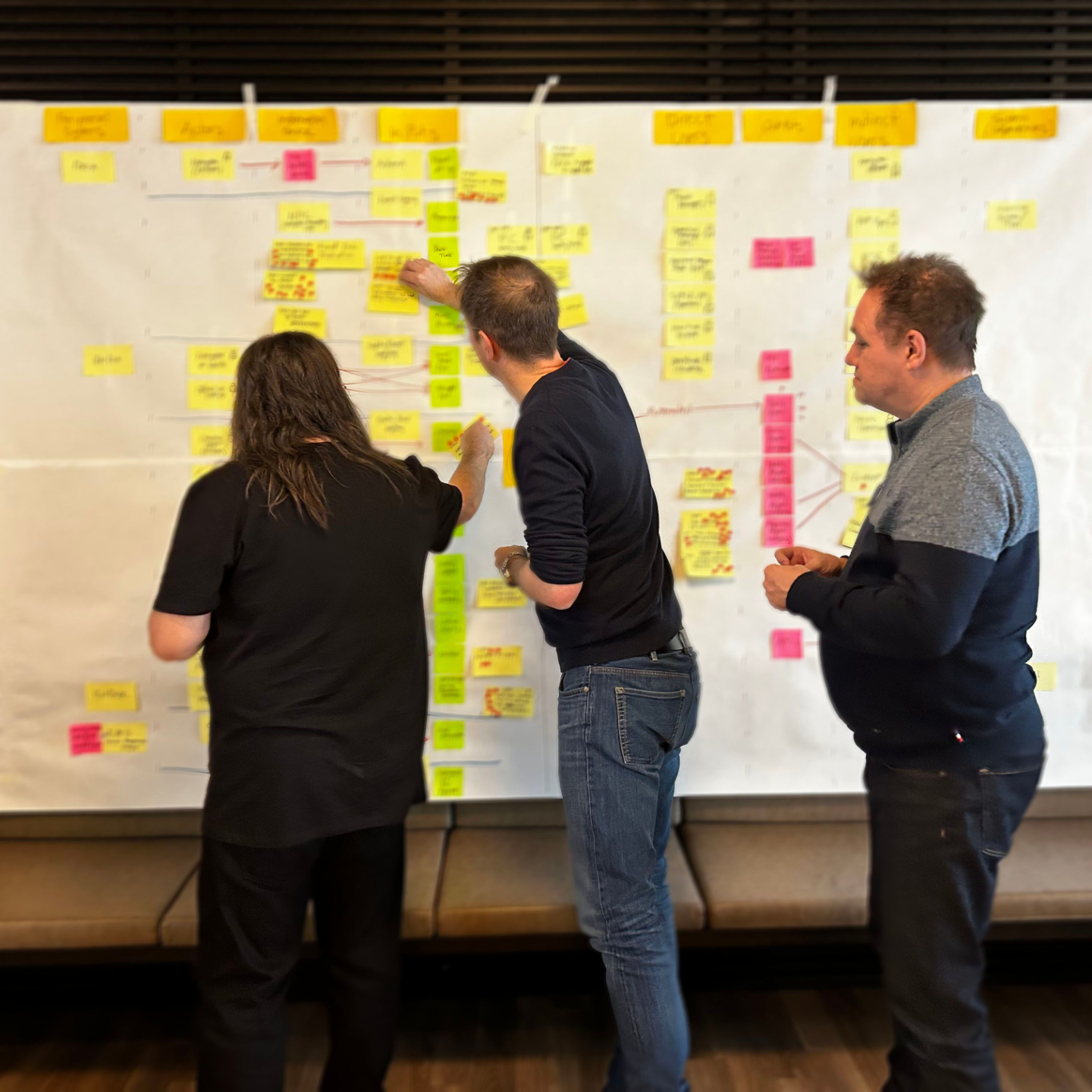
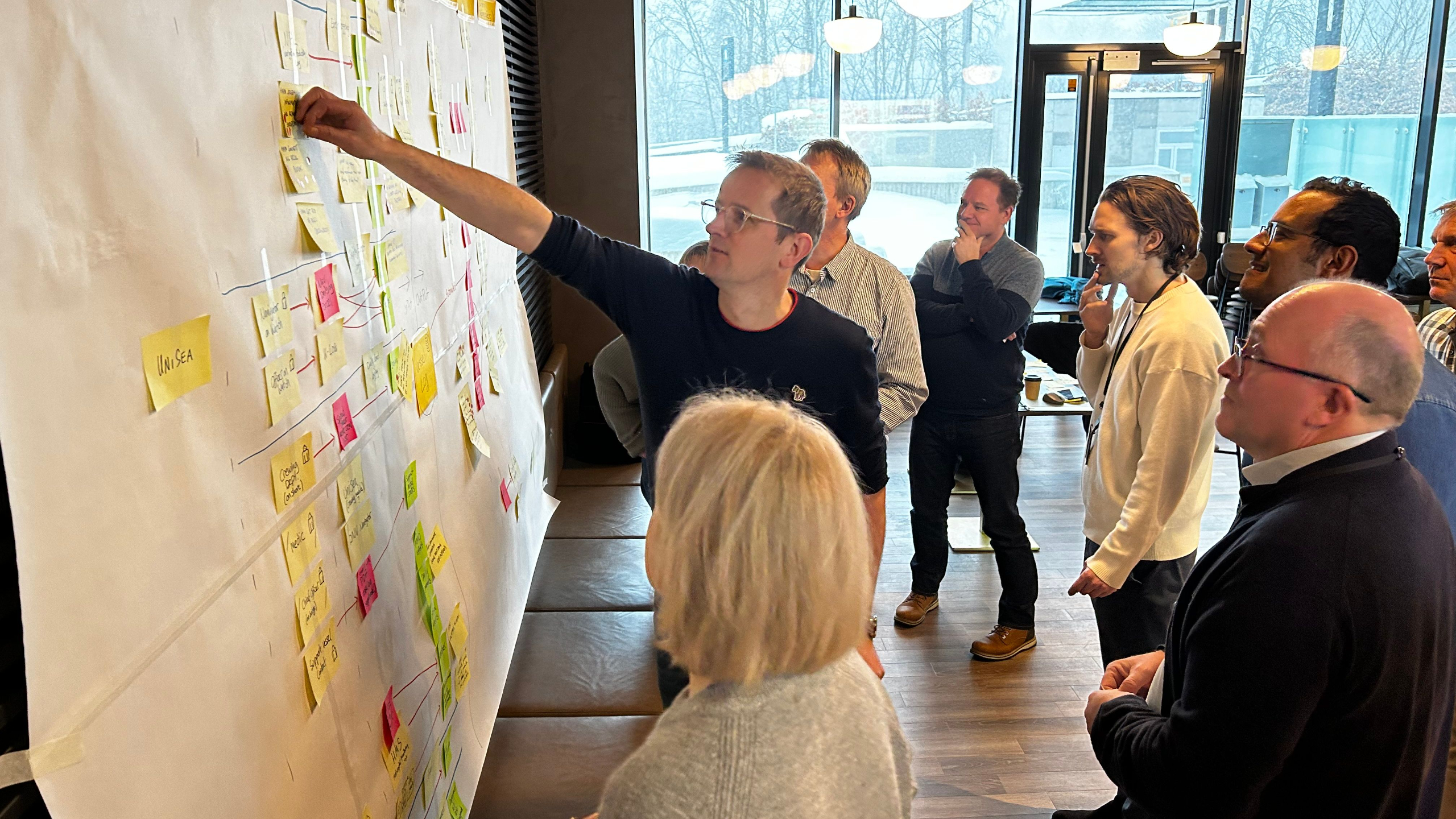
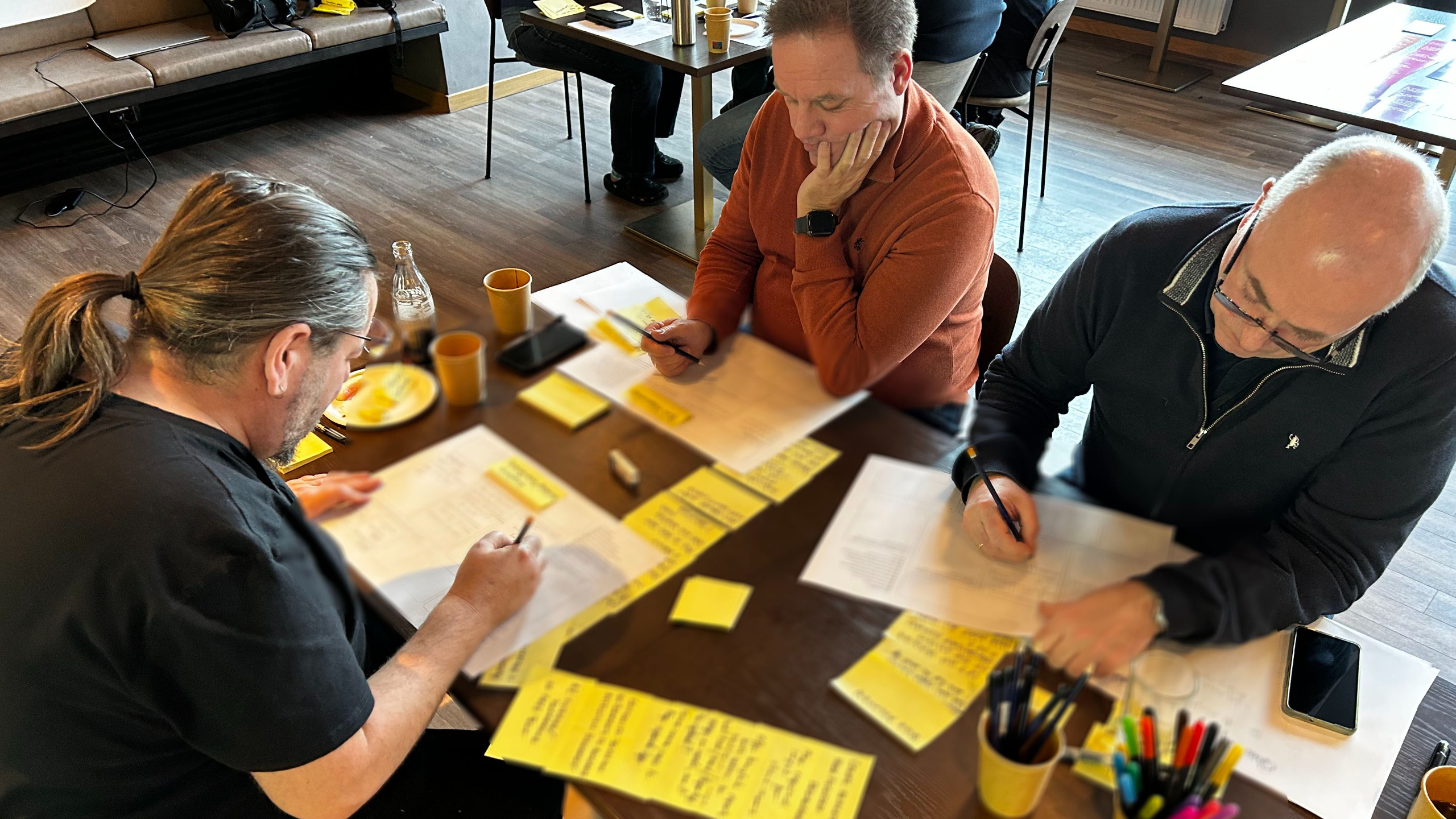
We then brought representatives of these different stakes into the same physical room for a two-day retreat. The intention was not to rush to decisions, but to build understanding: of each other’s needs, of the organisation’s future direction, and of what success would look like.
The key goal was inclusion and clarity. Everyone was informed. Everyone had a voice. Ideas were welcomed into the room, discussed openly, and shaped collectively. This created shared ownership of both the problem and the way forward.
Bringing the Right People Together to Shape the Way Forward
Over the two days, the group worked together to:
-
Explore the ecosystem map and identify where frustrations, tensions, and opportunities existed
-
Clarify why change was needed and what future value the organisation was aiming to create
-
Bring forward existing ideas and learn from approaches used in other industries and organisations
-
Define and prioritise concepts, agreeing what should come first and why
-
Establish a clear sequence for implementation, with shared understanding of roles and responsibilities
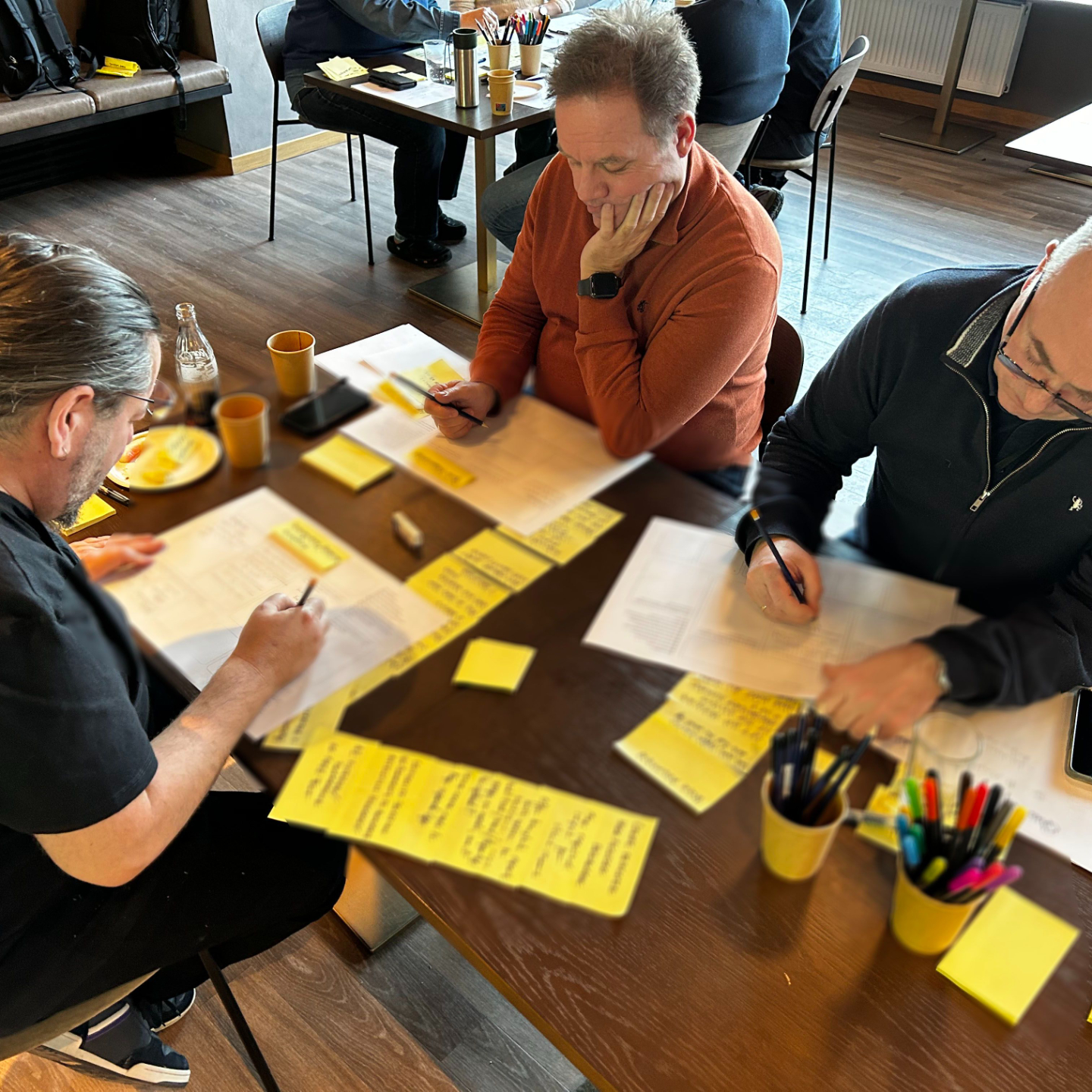
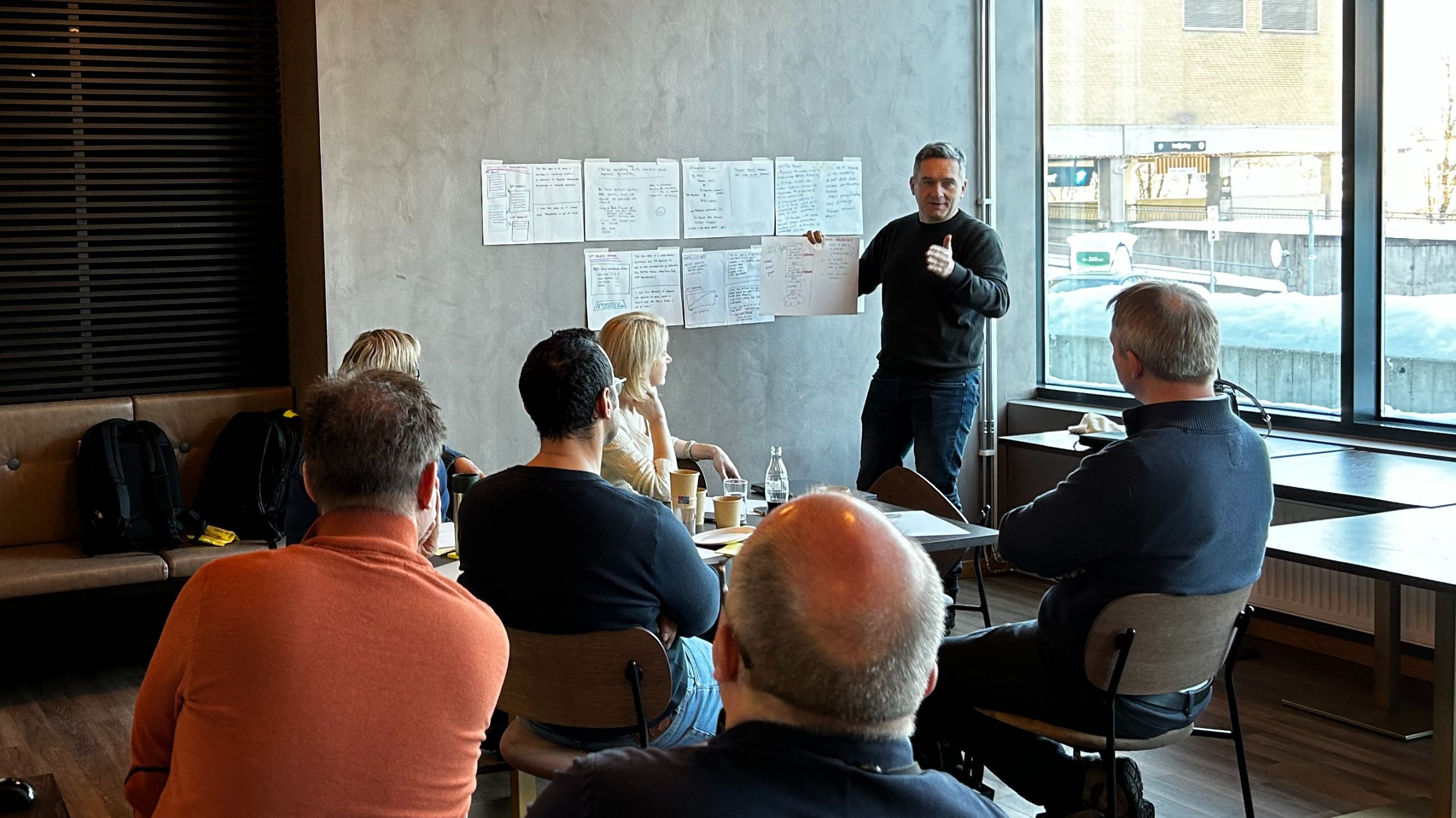
On the second day, the focus shifted toward ideation, prioritisation, and decision-making. By working together in the same space, the group was able to make clear, confident choices about what to implement and in what order.
Importantly, constraints were surfaced early. Interests were understood rather than assumed. This created a strong foundation for progress.
From Alignment to Action, Without Surprises
When participants returned to their teams, they did so with clarity and confidence. They understood where the organisation was heading, why decisions had been made, and how they could contribute. Because the groundwork had been done together, the transition to the new tool progressed smoothly.
There were no surprises. Stakeholders were already engaged, informed, and actively participating in making the change work. The organisation avoided prolonged deliberation and moved forward with shared momentum.
An additional benefit emerged through connection. Bringing people together physically created stronger relationships across the organisation. Participants now knew who to call, how to collaborate more easily, and how to resolve related challenges more quickly in the future.
Why This Approach Works for Any Kind of Change
This approach is effective for a wide range of change challenges: introducing new tools, evolving organisational structures, redefining processes, or shifting ways of working. It begins with stakeholder sense-making and builds a shared understanding of the system in which the change sits.
The intention is simple: bring the right people into the room, make the complexity visible, and tackle it together. By uncovering different perspectives, ambitions, and assumptions early, teams are able to adapt their thinking, align priorities, and find a path forward collectively.
When people understand each other’s perspectives, agendas naturally evolve. Assumptions shift. New possibilities emerge. Change becomes something people participate in, rather than something that happens to them.
A Flexible Sprint for Tools, Technology, Teams, and Ways of Working
The Innovation Change Sense-Making Sprint is designed to help organisations get started in exactly this way.
It begins with collaborative stakeholder mapping, supported by one-to-one conversations to uncover ideas, needs, ambitions, and concerns. Together, we map the system in question and then convene a focused two-day sprint to:
-
Set ambition and vision
-
Define shared success metrics
-
Generate and prioritise concepts
-
Establish a clear roadmap
-
Assign ownership and actions
From there, follow-on sprints can support stewardship, deeper exploration, alignment sessions, or momentum-building check-ins, depending on what emerges.
By taking time to pause, align, and make sense of change together, organisations are able to move faster, with clarity, confidence, and shared commitment.
Testimonials
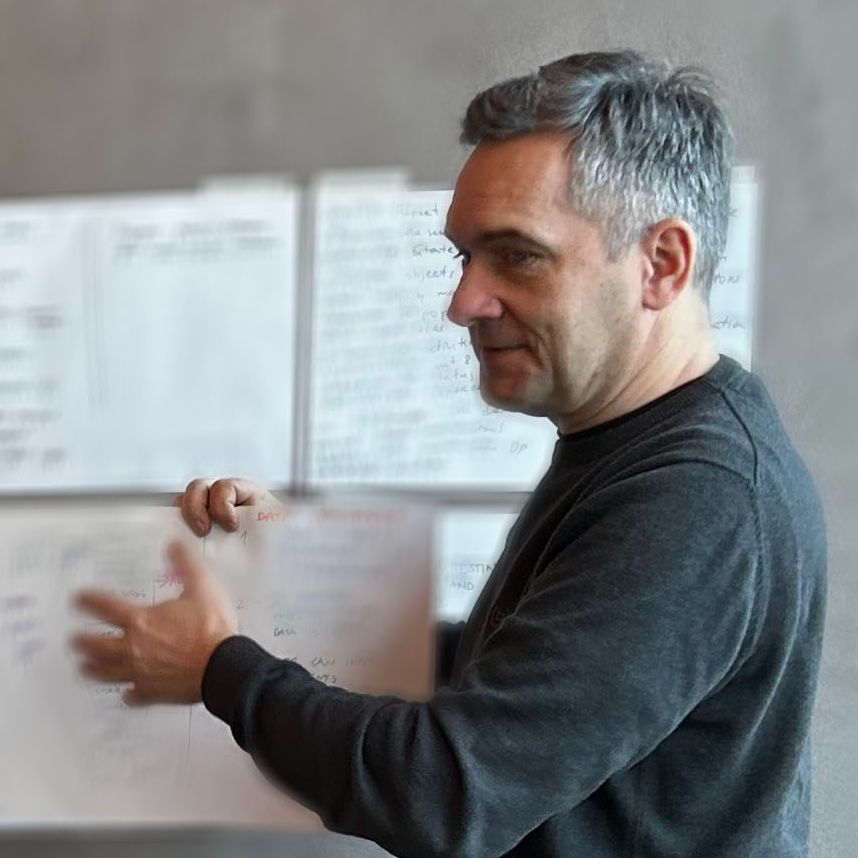
"I really valued being part of this process. It allowed everyone to speak openly, listen to one another, and work through things together. What might have been a demanding change ended up feeling clear, supported, and positive—both in adopting the tool and in strengthening how we move forward as a team.”
Sylwester Szczepanski, Navigation Supervisor
If this feels familar
If you’re dealing with similar questions around ways of working, new tools or systems, you’re welcome to book a conversation with me.
This is not a sales call.
It’s a space to think things through together.
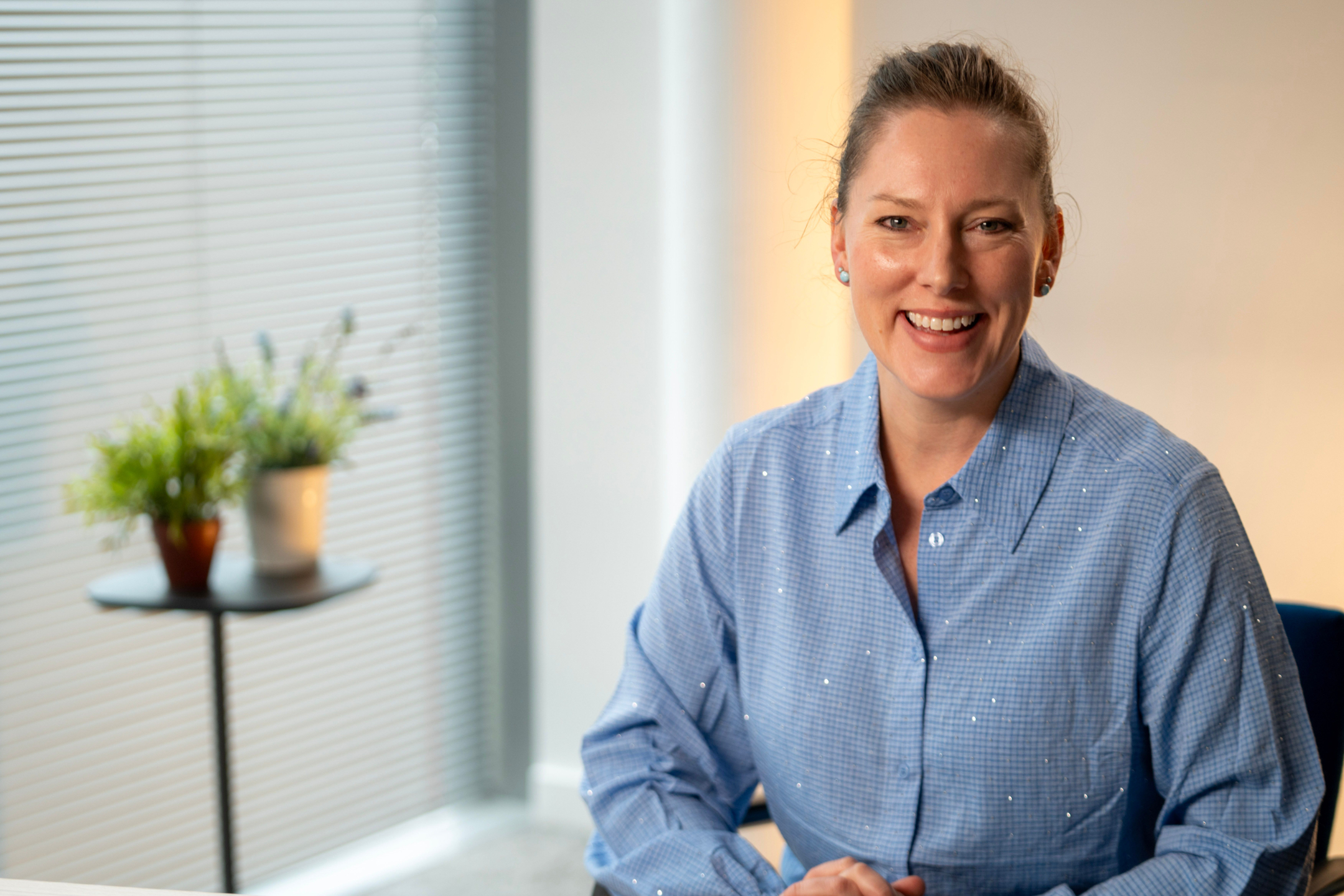
Kat Mather
Leadership Partner
Hi, I’m Kat, founder of Design Linking. I partner with leaders navigating change and ambiguity, helping their teams build clarity, trust, and accountable ways of working that deliver real results through human-centred design and participatory experiences.